🌸 Easter Special: Switzerland Visa Slots Filling Fast – Apply Now
🌸 Easter Special: Switzerland Visa Slots Filling Fast – Apply Now
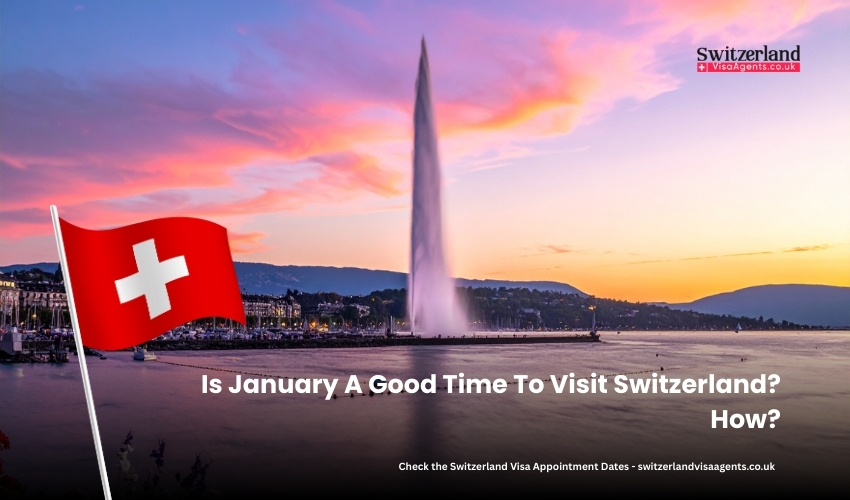
After the Christmas Eve celebration in any Schengen country, wanted to see some snowfall, or snow adventure, or just relaxation from the crowd. And you are planning to visit Switzerland, but are confused and want the answer to whether is January a good time to visit Switzerland? how?
The answer is, whether you are an adventure lover, or just a person who loves falling snow, or you are someone who loves to explore the beautiful towns in the fog, Switzerland is your perfect choice for the January winter vacation.
Because January is when this country shows its most magical side, and one of the best months to explore Switzerland, especially for skiing, winter scenery, and fewer crowds compared to peak Christmas weeks.
So, if you are a first-time UK visitor and curious about winter in the country, this guide is designed to help you make a 7-day itinerary for a winter vacation in Switzerland.
January is the heart of winter in Switzerland and also the most misunderstood month. Many first-time travellers assume the country becomes uncomfortably cold or difficult to navigate, but in reality, Switzerland is exceptionally well-prepared for winter travel.
Switzerland’s weather in January varies sharply by altitude:
| Region | Cities name | Average Temperature |
| Major Cities | Zurich, Geneva, Basel, and Bern | –2°C to 4°C |
| Lakeside regions | Lucerne, Montreux, & lausanne | –1°C to 5°C |
| Alpine regions | Zermat, St. Moritz & Verbiew | –10°C to –1°C |
Local insight: Swiss people treat January as normal life, not an extreme season. If locals are comfortable commuting, travelling, and dining out, tourists can be too.
If you are traveling from the UK and still have a doubt, is January a good time to visit Switzerland? Then let us tell you, unlike December, when snowfall can be inconsistent, January offers, stable snow base, crisp, dry air, fewer beginner tourists after the New Year, and the best glacier skiing conditions. So, leave all the doubts back and plan your winter vacation and get ready for snow activities.
Now, if you are worrying about a visa and appointments, just book your Switzerland visa from UK at SWITZERLANDS VISA AGENTS UK. Our experts offer 24/7 visa assistance and will book your Swiss visa appointment from UK with the first available slot.
Local ski instructors often say January provides the most reliable slopes of the entire winter season.
If you are traveling from the UK, then smart packing is essential because the temperature in Switzerland is different from the United Kingdom. As a first-time UK traveler, you should pack;
Local tip: Swiss cities are well-heated indoors — dress in layers so you can remove clothing comfortably when entering trains, cafés, and museums.
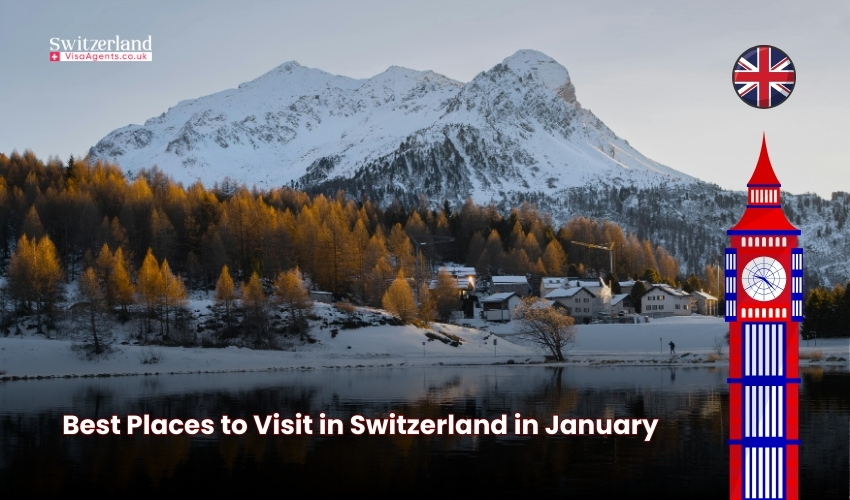
Another point of the answer to your question is January a good time to visit Switzerland? How? Not every month is equally suited for Swiss travel, which is why choosing the right month makes a huge difference to your experience. And after choosing the right month, picking the right places according to the month is the sign of smart traveling.
Winter travel in Switzerland is less about ticking off cities and more about selecting destinations. Knowing where to go ensures you experience Switzerland at its winter best rather than fighting the season. Below are the 5 best places to go in winter in Switzerland as a first-time UK traveller. These places will enhance your experience beautifully.
Zermatt is one of Switzerland’s most famous winter destinations, known for its views of the Matterhorn. January offers snow-sure slopes for skiing up to 3,883 metres, clear winter scenery, cable car rides, winter walks, and stunning winter photography for travel enthusiasts.
Local experience: Even non-skiers can enjoy winter walks, gondola rides, and traditional mountain restaurants serving fresh raclette.
St. Moritz combines winter sports with luxury and style. It enjoys more winter sunshine than many Alpine resorts and is known for its frozen lake, St. Moritz winter sports. Also, this place attracts UK travellers who are interested in the Olympics, shopaholics, foodies, ice horse racing, and are enthusiasts of classic winter culture.
Best for: Luxury travellers, honeymooners, and winter culture enthusiasts.
Verbier is a favourite among experienced skiers, who are looking for challenging slopes. It offers access to a large (410 km) ski area ( part of the 4 Vallées) and a lively atmosphere in winter. Everything is good and enjoyable, just safety is taken seriously, especially when grabbing off-piste skiing opportunities.
Local tip: Hire a mountain guide if you plan off-piste skiing — safety is taken very seriously in Switzerland.
Lucerne is ideal for UK travelers who want winter scenery without extreme cold. If you are finding the answer, why should you visit Lucerne in winter from the UK? The answer is its snowy lake views and Chapel Bridge winter charm. Additionally, offers easy access to Mt. Pilatus and Mt. Rigi, and peace lovers can enjoy less crowded, relaxed city sightseeing.
Local favourite: Winter lake cruises with heated interiors offer magical views without freezing.
Interlaken is a winter adventure hub for all kinds of travellers, from solo to families, and all types of travellers. They can enjoy skiing & sledging, snowshoe hiking, winter paragliding, and Cable car rides to Jungfraujoch.
Family-friendly: Well-organised transport and gentle slopes for beginners.
January is widely regarded as the peak month for winter sports in Switzerland, offering the most dependable snow conditions of the entire season. By this time, ski lifts, pistes, and winter activity zones are fully prepared, and the snow base has settled enough for safe skiing and off-piste adventures. However, winter activities in Switzerland extend far beyond skiing alone. From snowshoe hikes and sledging to glacier cable car rides and frozen lake experiences, January provides an exceptional variety of snow-based activities suitable for beginners, families, and non-skiers alike.
January is peak ski season across Switzerland.
Average ski pass costs:
Resorts cater to all levels:
If skiing isn’t your thing, Switzerland still offers plenty:
Local insight: Tobogganing is hugely popular with Swiss families — try it at least once.
While Switzerland’s festival calendar is quieter in January compared to summer, the events that do take place are deeply rooted in winter tradition and local culture. January festivals tend to be less commercial and more authentic, often centred around alpine sports, seasonal folklore, and community celebrations. This makes January an excellent time for UK travellers who want to experience Swiss culture beyond sightseeing, with events that showcase local customs, winter sports heritage, and regional identity — particularly in mountain towns and historic villages.
New Year Celebrations
Many Swiss cities continue celebrations into early January.
Winter Cultural Experiences
January is quieter culturally, allowing deeper interaction with local traditions.
Planning a winter itinerary for Switzerland requires a different approach than travelling in warmer months. A well-structured 7-day Switzerland winter itinerary allows travellers to experience the country’s winter highlights without feeling rushed or exhausted.
| Day | Location | Main Activities |
| Day 1 | Zurich | Old Town walk, Winter cafés & museums |
| Day 2 | Lucerne | Lake cruise, Mt. Pilatus, snowy views |
| Day 3 | Zermatt | Skiing or glacier sightseeingMatterhorn cable car |
| Day 4 | Zermatt | Matterhorn cable car |
| Day 5 | Interlaken | Winter sportsScenic train ride |
| Day 6 | Jungfraujoch | Top of Europe”Snow plateau walks |
| Day 7 | Montreux / Lausanne | Relaxed lakeside atmosphereWinter vineyards |
Switzerland has a reputation for being expensive, and January travel is no exception — especially in ski regions. However, understanding how costs break down in winter helps travellers plan realistically and avoid unnecessary expenses.
Winter prices are influenced by ski season demand, accommodation availability, and transport usage, but there are also many ways to manage your budget without compromising comfort or experience. With the right planning and a few local strategies, Switzerland in January can be both predictable in cost and surprisingly efficient.
Average Daily Cost/Person
| Travel Style | Estimated Cost (CHF) |
| Budget Friendly | 120–150 CHF |
| Mid-range Traveling | 180–250 CHF |
Luxury Travel | 350+ CHF |
If you are traveling from UK, then you have three ways to reach Switzerland. But the choice depends on your traveling plans, comfort, and priorities.
| Transportation Type | Average Taken Time | Average Cost |
| Flight | 1.5 – 2 Hours | £50–£180 |
| Car | 7 – 10 Hours | £180–£300 |
| Train | 10 – 12 Hours | £200–£350 |
So, according to the above table, the best way to reach Switzerland from the UK is to take a flight from UK cities’ airports.
In conclusion, you get the answer to your question: Is January A Good Time To Visit Switzerland? How? Switzerland in January offers a pure winter experience that few destinations can match. From world-class ski resorts to peaceful snowy towns, efficient transport, and warm Alpine hospitality, January rewards travellers who embrace winter rather than fear it.
If you still do not believe in written words, then you can check the reviews of other UK travellers about the Swiss trip in winter. One more thing, do not forget that as a UK traveller, you must have a Swiss visa to initiate this trip. This guide helps you in planning your perfect trip, and SWITZERLANDS VISA AGENTS book your express Swiss visa appointment from UK to secure your Swiss visa before you plan your trip. So, you did not miss any Swiss snow activity.
Start Your SWITZERLAND VISA APPLICATION Here!
And Say HALLO to Swiss’s Snow!
Yes, January is a really a very good time to visit Switzerland for UK travellers. Especially when you enjoy winter scenery, snow, and fewer crowds. Additionally, transport and other services run smoothly due to the cold, also cities look admirable.
January is the coldest month in Switzerland. The temperature usually lies between –2°C and 4°C in cities and –10°C or lower at higher altitudes. However, the cold is manageable with proper clothing.
Absolutely. Switzerland in January is not only for skiers. Many UK travellers visit just the country to enjoy snowy landscapes, winter train journeys, mountain cable cars, frozen lakes, and charming old towns.
No, travelling around Switzerland in January is actually very smooth, well-organised and reliable. The trains and buses run on time and are safer and easier than driving. Also, they are heated, too, so travelers do not face the cold.
Yes, January prices can be a bit higher, especially in ski resorts, because it is the peak winter season. However, costs are predictable and manageable if you plan ahead of travel dates, use travel passes, eat at normal cafes, and prefer a normal range resort option to stay.
Your winter packing for Switzerland from the UK must include;
1. Warm layered clothing, including thermal innerwear
2. A waterproof winter jacket
3. Gloves, a scarf, a warm hat, and Sunglasses
4. Snow-friendly shoes with good grip
Yes, most major tourist attractions and mountain cable cars are open in January. In fact, January is one of the best months for mountain excursions like Matterhorn Glacier Paradise, Jungfraujoch, and Mount Pilatus. Temporary closures happen only during extreme weather.
Yes, Switzerland is one of the safest countries in the world, even in winter, whether you are a male traveller or a female explorer. The country has very low crime rates and well-managed winter safety. The only thing travellers should be careful about is weather-related safety of themself.

 02084326004
 +447300463745