🌸 Easter Special: Switzerland Visa Slots Filling Fast – Apply Now
🌸 Easter Special: Switzerland Visa Slots Filling Fast – Apply Now
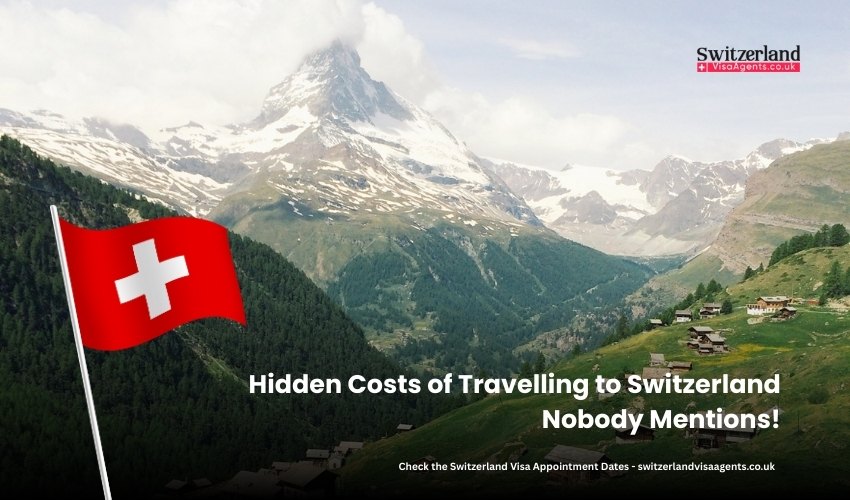
Switzerland is known as one of the most beautiful countries in Europe and is famous for snow-covered Alps, crystal-clear lakes, postcard-perfect towns, and trains that run like clockwork. However, many travellers are caught off guard by the hidden costs of travelling to Switzerland, expenses that rarely appear in guidebooks or travel ads. If you’ve ever spoken to someone who has actually visited, you’ll hear a quieter truth as well: Switzerland can surprise you with costs you never planned for.
Many UK travellers budget carefully for flights, hotels, and sightseeing, only to find their daily spending quietly creeping up. Not because they’re careless—but because Switzerland has a long list of hidden costs that don’t show up clearly when you’re planning at home.
This guide breaks down the hidden costs of travelling to Switzerland in detail, local tips, and more with your online Switzerland visa from UK, so you can enjoy Switzerland without the shock factor.
Switzerland isn’t expensive just because prices are high—it’s expensive because almost everything costs a little more than you expect. Even travelers who research thoroughly often underestimate the everyday expenses that add up quickly.
Unlike many European countries where you can “budget your way out” of costs, Switzerland’s baseline prices are already high due to strong wages, local production standards, and currency strength (Swiss Franc). That means even simple things like water, transport connections, or a casual meal feel costly compared to France, Spain, or Italy.
The exchange rate can also manipulate the perception of UK travelers of the hidden costs of travelling to Switzerland. Prices listed in CHF don’t always feel expensive until you convert them back into pounds—and by then, you’ve already paid.
Most people expect restaurant meals to be expensive in Switzerland. What they don’t expect is how much basic food costs as well.
A casual lunch that would cost £10–£12 in the UK often lands closer to £20–£25 in Switzerland. Even takeaway sandwiches at train stations regularly cost CHF 10–15 (£9–£13). Coffee prices are another shock—a simple cappuccino can cost CHF 5–6 (£4.50–£5.50), even outside tourist hotspots.
Grocery Prices (Realistic Examples)
Local tip: Supermarkets like Coop and Migros are cheaper than eating out but still pricier than UK chains. Buying food from bakeries late in the evening can sometimes get you discounted items.
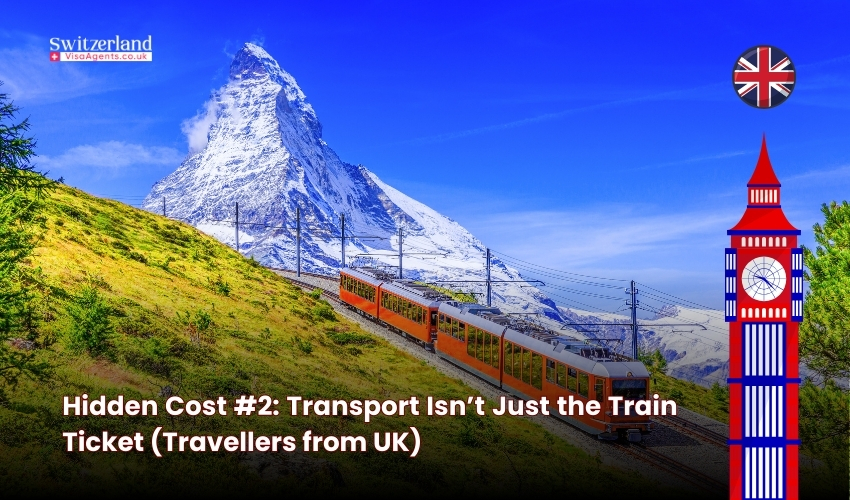
Another hidden costs of travelling to Switzerland that travelers rarely anticipate is how quickly prices rise once you leave major cities. A journey that looks simple on Google Maps often involves multiple connections—a train, then a local bus, then a cable car. Each leg may be charged separately if you don’t have the right pass. UK travelers heading to alpine villages are often surprised that the “last 10 minutes” of the journey can cost more than the first hour on a mainline train.
Popular Transport Costs People Forget
Local tip: The Swiss Travel Pass looks expensive upfront but often saves money if you’re moving cities or using boats, buses, and museums. Many UK travellers skip it and end up spending more overall.
Hotel prices in Switzerland are already high, but the real surprise comes from extras you assume are included.
Many hotels charge additional city taxes per night. Adding breakfast later can cost CHF 20–30 (£18–£27) per person, as some budget hotels do not include it. Cheaper stays may not always guarantee basic amenities like kettles or fridges.
During ski season and summer hiking months in mountain towns, accommodation prices rise sharply, sometimes doubling compared to shoulder seasons.
Local tip: Apartments or guesthouses with kitchen access often save money — not on rent, but on food.
Dining in Switzerland feels expensive not because the food is bad—but because of the hidden costs of travelling to Switzerland. Unlike many countries, tipping is not expected, but menu prices already reflect higher wages and taxes.
A simple dinner with a main course and soft drink can easily reach CHF 35–45 (£31–£40) per person. Alcohol pushes this much higher.
Average Dining Costs
Local tip: Lunchtime “business menus” are often 25–40% cheaper than dinner and usually include a main dish plus soup or salad.
Experienced Switzerland travelers often follow an unspoken rule: spend on transport efficiency and scenery, and save on food and accommodation flexibility as they are familiar with the hidden costs of travelling to Switzerland. That means paying for fast trains or scenic routes but eating picnic lunches, staying slightly outside city centers, and travelling to fewer destinations more slowly. This approach doesn’t feel restrictive—it feels intentional, and it’s how many locals travel too.
Many UK travellers rely on card payments, but some banks charge:
A CHF 200 spend can quietly become £180–£190, even before fees.
Local tip: Use fee-free travel cards and avoid cash withdrawals in tourist areas where ATM fees are higher.

This summary isn’t meant to scare travellers—it’s meant to reset expectations. Switzerland isn’t overpriced by accident; it’s priced according to local wages, infrastructure quality, and demand. Once you stop comparing it to Spain or Eastern Europe and instead compare it to premium destinations like Norway or Iceland, the costs start to make more sense.
Examples
Local tip: Many museums are free with travel passes, and some towns offer guest cards that include local transport and discounts.
One of the most surprising things for first-time visitors is paying for basic necessities.
Public toilets often cost CHF 1–2, even in train stations. Buying bottled water adds up quickly, and takeaway snacks are rarely cheap.
Local tip: Tap water in Switzerland is extremely clean and drinkable. Carry a reusable bottle and refill it at public fountains—locals do this all the time.
Cold weather means extra costs that aren’t obvious during planning. Gloves, thermal layers, and weatherproof shoes are often needed—especially in alpine areas.
Cable cars and trains may also require alternative routes during weather disruptions, sometimes costing extra.
Local tip: Renting winter gear locally is often more expensive than bringing basics from the UK.
| Expense Type | Hidden Costs |
| Food | Costly groceries |
| Transport | Extra cost for scenic routes and cable cars |
| Accommodation | Breakfast and city taxes are excluded mostly. |
| Currency | The conversion to CHF results in an increase in spending power. |
| Attractions | Mountain access is costly |
| Essentials | Water, snacks and toiletries costs more |
Switzerland is not expensive and is rather cost-efficient. You need to make sure to travel smart, and here are some tips on how to reduce costs while staying in Switzerland.
Switzerland isn’t trying to trick visitors. Prices are high because wages are high, services are excellent, and infrastructure is world-class. The frustration comes when travelers arrive unprepared.
Once you understand the hidden costs of travelling to Switzerland, the country becomes less stressful and far more enjoyable. You stop fighting the prices and start choosing where to spend wisely—and that’s when the country truly shines.
If you plan smartly, Switzerland doesn’t feel overpriced—it feels precise, premium, and unforgettable
Yes, on average daily expenses in Switzerland are around 30–60% higher than in the UK, especially for food and transport.
A realistic mid-range budget is £120–£180 per person per day, excluding accommodation, and make sure to get your Switzerland visa from UK, to travel with ease.
It helps, but groceries are still expensive. Cooking reduces costs mainly by avoiding restaurant prices, which is an example of the hidden costs of travelling to Switzerland.
For travelers moving between cities or using boats and buses, yes—they often save money overall.
Cards are widely accepted, but small amounts of cash help for toilets, markets, and rural areas.
For most travelers, yes—but only if you understand the costs before you go.

 02084326004
 +447300463745